
Hvar Island Guide for Sailing Holidays
INTRODUCTION
Hvar is one of Croatia's most celebrated islands and a firm favourite with sailors who love sun, sea and lively harbours. This Hvar Island guide is written for travellers planning a Croatia sailing holiday and looks at the practicalities of reaching the island, the best anchorages, local culture and cost-conscious tips so you can make the most of your time afloat.
GETTING TO HVAR
1. From Split: Regular car ferries and catamarans connect Split to the island's main town Hvar. If you are flying into Split Airport, it is a 30-minute transfer into the city where you catch the ferry. Fast catamarans are ideal for foot passengers and take about one hour.
2. From other islands: Regular services link Hvar with Brač, Vis and Korčula. Schedules change with the season so check timetables ahead of travel.
3. By private yacht or charter: Hvar is very accessible from mainland marinas and other islands. The approach to Hvar town and Jelsa is straightforward and popular with crews starting a week-long circuit of the central Dalmatian archipelago.
WHERE TO STAY AND MOOR
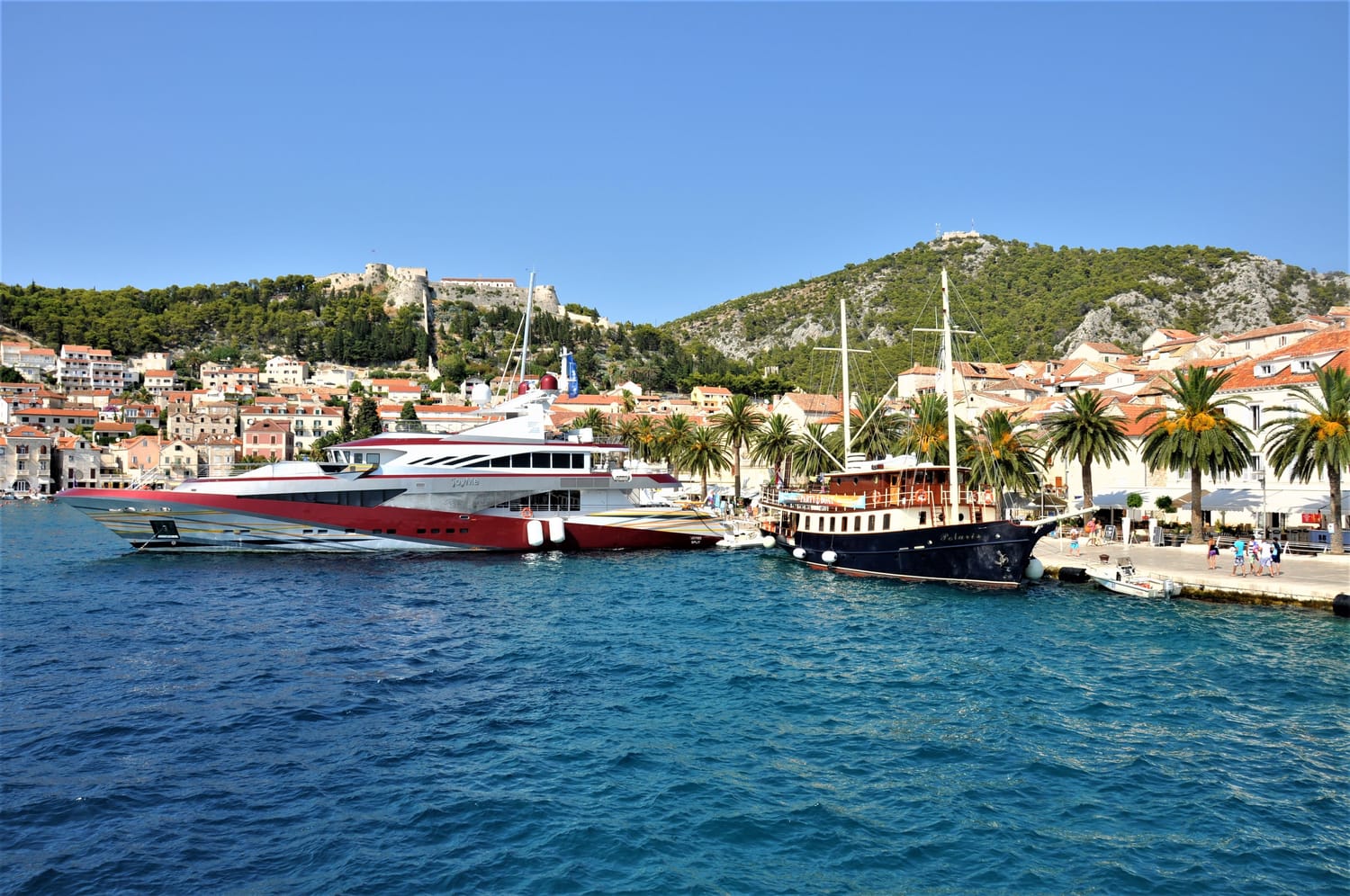
1. Hvar town: The town is the island's hub and has several well-equipped marinas as well as town moorings. Stopping here means easy access to restaurants, bars and historic sights.
2. Stari Grad: A quieter alternative to the south it is perfect for crews who prefer a more relaxed pace. The harbour has good facilities and proximity to vineyards and rural trails.
3. Anchorages: For a more secluded experience anchor in bays such as Dubovica on the south coast or Pakleni Islands just off Hvar town. Both offer crystal clear water and sheltered swimming spots.
TOP THINGS TO DO
1. Explore Hvar town: Wander the stone streets, visit the 16th century fortress for panoramic views, and admire the Renaissance cathedral and main square. Cafés and galleries give a great sense of local life.
2. Visit the Pakleni Islands: A short sail from Hvar town the Pakleni Islands offer calm coves, beach bars and excellent swimming. It is a popular spot for day trips so arrive early if you want a quiet cove.
3. Wine tasting and olive oil tours: Hvar has a long tradition of viticulture. Sample local varieties and tour small producers near Stari Grad to learn about island agriculture.
4. Beaches and coves: Swim from your yacht in hidden bays or try pebble beach’s such as Milna and Dubovica. Water is exceptionally clear making snorkelling rewarding.
5. Nightlife and dining: Hvar is known for stylish restaurants and a lively evening scene. Try fresh fish, local peka dishes and island wines. Hvar town has bars catering for both laid back and more sociable crowds.
PRACTICAL SAILING ADVICE
1. Mooring etiquette: Marinas in peak season can be busy so book ahead where possible. If using town moorings be prepared to raft up and follow local directions from harbour staff.
2. Anchor with care: Many bays have mooring buoys. If anchoring away from buoys, check depth and seabed type and leave ample scope for wind shifts.
3. Weather and winds: The bora is a northeasterly wind that can be strong and gusty mainly in spring and autumn. The gentler Maestral develops in summer afternoons and is typically beneficial for relaxed sailing.
4. Fuel and provisioning: Hvar town and Stari Grad have fuel stations and supermarkets. Plan provisioning on arrival especially in high season when some shops may close early.
WHEN TO VISIT
1. High season: July and August are busiest with warm weather and buzzing nightlife. Expect higher prices for moorings and restaurants.
2. Shoulder seasons: May June and September October are ideal for sailors seeking pleasant weather, fewer crowds and better value. Sea temperatures are comfortable and island life is more relaxed.
3. Low season: Winter months are quiet with limited services but can be appealing if you enjoy solitude and lower charter costs.
COSTS AND BUDGETING
1. Mooring fees: Marina berths vary depending on location and length but expect prices in the region of £30 to £120 per night in main season. Town moorings are often cheaper than full-service marinas.
2. Fuel and food: Fuel costs depend on usage. Dining out ranges from modest konoba meals at around £10 to £40 or more at fine dining venues.
3. Activities: Day trips, guided tours and wine tastings typically cost between £20 and £80 per person depending on the experience.
4. Charter costs: Yacht charter prices vary with vessel type, size and season. Week long bareboat charters in high season start from around £1,200 and go up for larger yachts and crewed options.
LOCAL CULTURE AND SUSTAINABILITY
Hvar retains a strong cultural identity with festivals, traditional crafts and island cuisine. Respect local customs, support small businesses and take care when anchoring near Posidonia meadows which are vital marine habitats. Avoid single use plastics and dispose of waste responsibly at marinas.
FOOD AND DRINK
1. Local specialities: Try seafood prepared simply with olive oil, island lamb and the traditional peka dish cooked under a bell like lid in embers. Local wines are worth sampling especially whites and rosés from small producers.
2. Market shopping: Visit markets in Hvar town and Stari Grad for fresh produce, cheese and local olive oil. It is a great way to stock your yacht with island flavours.
SAFETY AND HEALTH
1. Safety at sea: Check local notices and weather forecasts daily. Carry lifejackets for all on board and make sure your safety equipment is serviced and easily accessible.
2. Health services: Hvar town has medical facilities and pharmacies. For serious emergencies the mainland hospitals can be reached by fast boat or air ambulance if required.
FAQ
What is the best way to explore Hvar if I am on a week-long yacht charter?
A week gives you time to enjoy Hvar town, visit the Pakleni Islands, sail to Stari Grad and take in sheltered coves along the southern coast. Plan a relaxed itinerary with time for swimming and exploring on shore.
How crowded does Hvar get in summer?
July and August are the busiest months. Expect full marinas and lively waterfronts. Visiting in May June or September will give you most of the summer weather with fewer crowds.
Are the beaches on Hvar sandy?
Many beaches on Hvar are pebble or rocky coves. There are some sandy spots on nearby islands and in bays. Bring water shoes for comfort when entering from rocky shores.
Is Hvar suitable for family sailing holidays?
Yes. Hvar offers sheltered anchorages and calm bays perfect for swimming and family time. Choose quieter marinas and anchorages rather than the main town if travelling with young children.
CONCLUSION
Hvar is a versatile island that rewards sailors with historic towns, crystal clear waters and varied anchorages. Whether you are seeking a lively harbour atmosphere or quiet coves you will find something to match your pace. Use this Hvar Island guide to plan practical aspects of your trip and leave time for spontaneous exploration which is one of the joys of sailing Croatia.
READY TO EXPLORE CROATIA BY SEA? DOWNLOAD YOUR FREE CROATIA YACHT CHARTER GUIDE
Download our free Croatia Yacht Charter Guide to help plan your sailing holiday. The guide includes sample itineraries, marina recommendations and budgeting tips to get you ready for a memorable voyage across Croatia's islands.
Expert Croatia sailing guides, yacht charter advice, island itineraries and travel inspiration.
Discover Croatia's Best Sailing Routes
Get instant access to our free guide featuring island itineraries, marina recommendations, charter planning tips and insider advice
© 2026 Bluewater Compass. All Rights Reserved.
Created with © systeme.io
Lorem ipsum dolor sit amet, consectetur adipisicing elit. Autem dolore, alias, numquam enim ab voluptate id quam harum ducimus cupiditate similique quisquam et deserunt, recusandae.